
What is Scalping Trading Strategy? Meaning & How It Works
August 27, 2026



TABLE OF CONTENTS
Get AI Summary





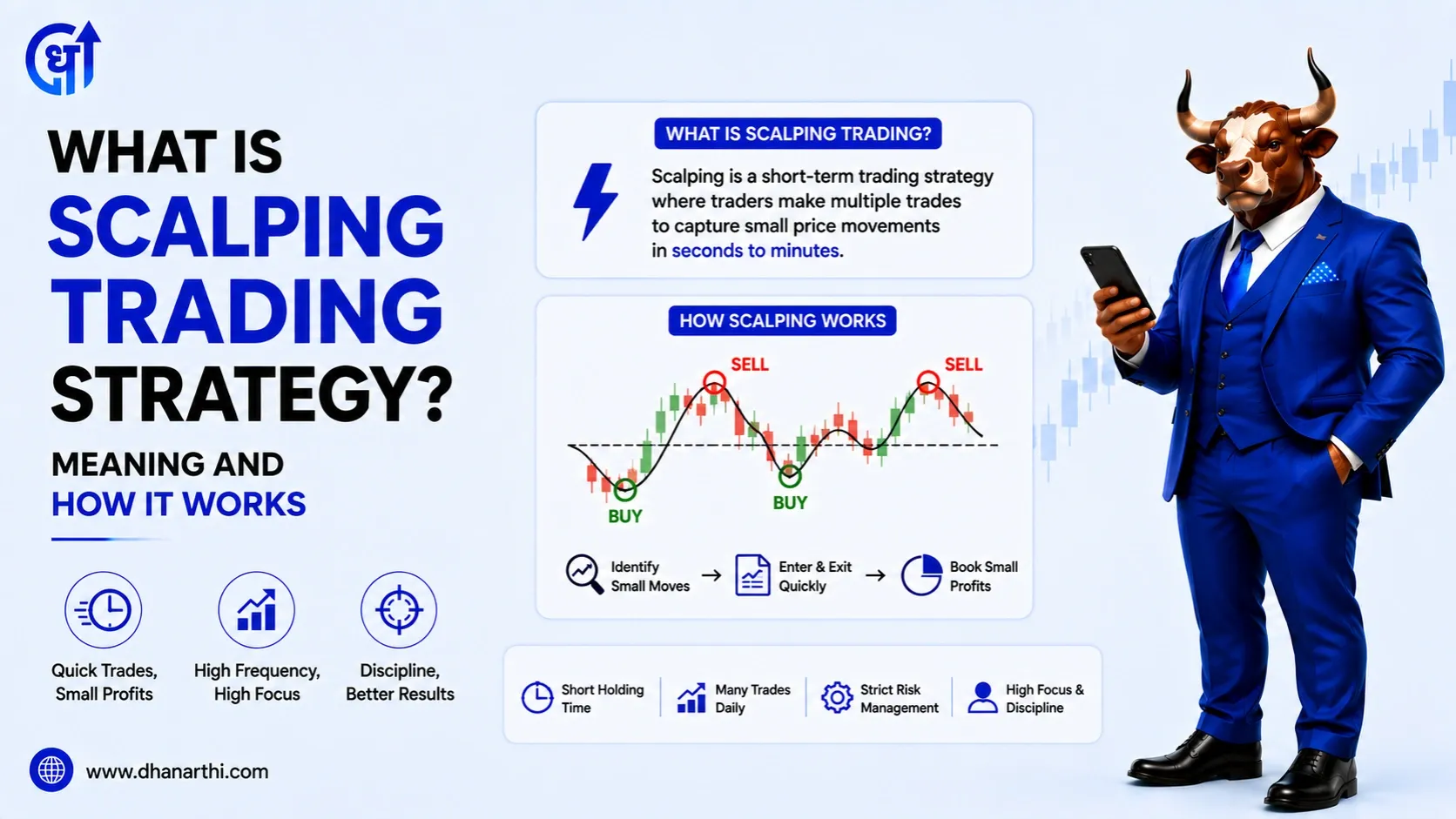
Scalping trading strategy is a high-frequency trading style where traders open and close positions within seconds to minutes, aiming to capture small, repeated profits from tiny price movements. Scalpers rely on high liquidity, tight spreads, and fast execution, often placing dozens of trades in a single session rather than waiting for one large move.
Research Stocks Smarter with Dhanarthi AI Screener
Analyze 5,000+ NSE & BSE stocks with 150+ custom filters, real-time volume breakout scans, and transparent fundamental data.
Use Dhanarthi Screener
Scalping trading strategy is the shortest-term style of trading, where a trader opens and closes a position within seconds to a few minutes, aiming to profit from very small price changes. The core idea is simple: rather than waiting for a large move over hours or days, a scalper captures dozens of tiny moves throughout the day, with each individual trade contributing a small profit that adds up across the session.
Scalpers usually trade highly liquid stocks or indices, since fast, reliable execution at a fair price matters more in scalping than in almost any other strategy. A stock with a wide bid-ask spread or thin trading volume makes scalping difficult, since the cost of entering and exiting quickly can eat into the small profit margin scalpers rely on.
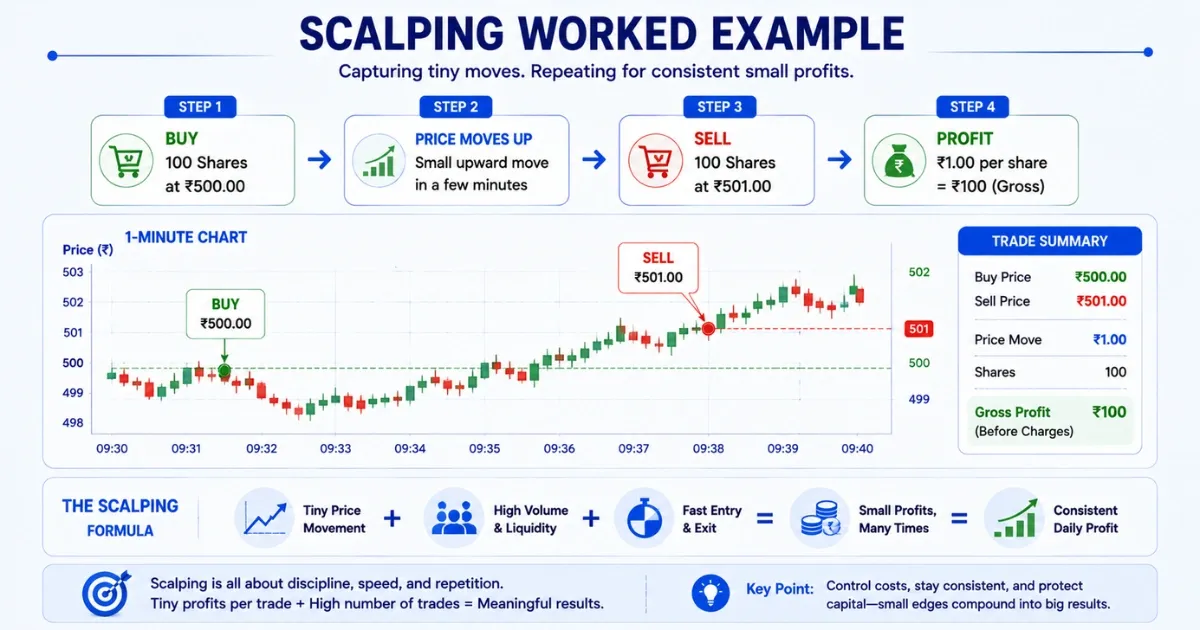 Example: A trader buys 100 shares of a stock priced at Rs 500, investing Rs 50,000. The price rises to Rs 501 within a few minutes. The trader sells all 100 shares at Rs 501, receiving Rs 50,100, a gross profit of Rs 100 from a movement of just Re 1 per share.
This small gross profit is the entire point of scalping, a scalper repeats this process many times in a session, aiming to accumulate a meaningful total from many small individual gains rather than one large trade. Because the margin per trade is thin, position sizes in scalping tend to be larger than in swing trading, in order for a small price move to translate into a worthwhile rupee amount.
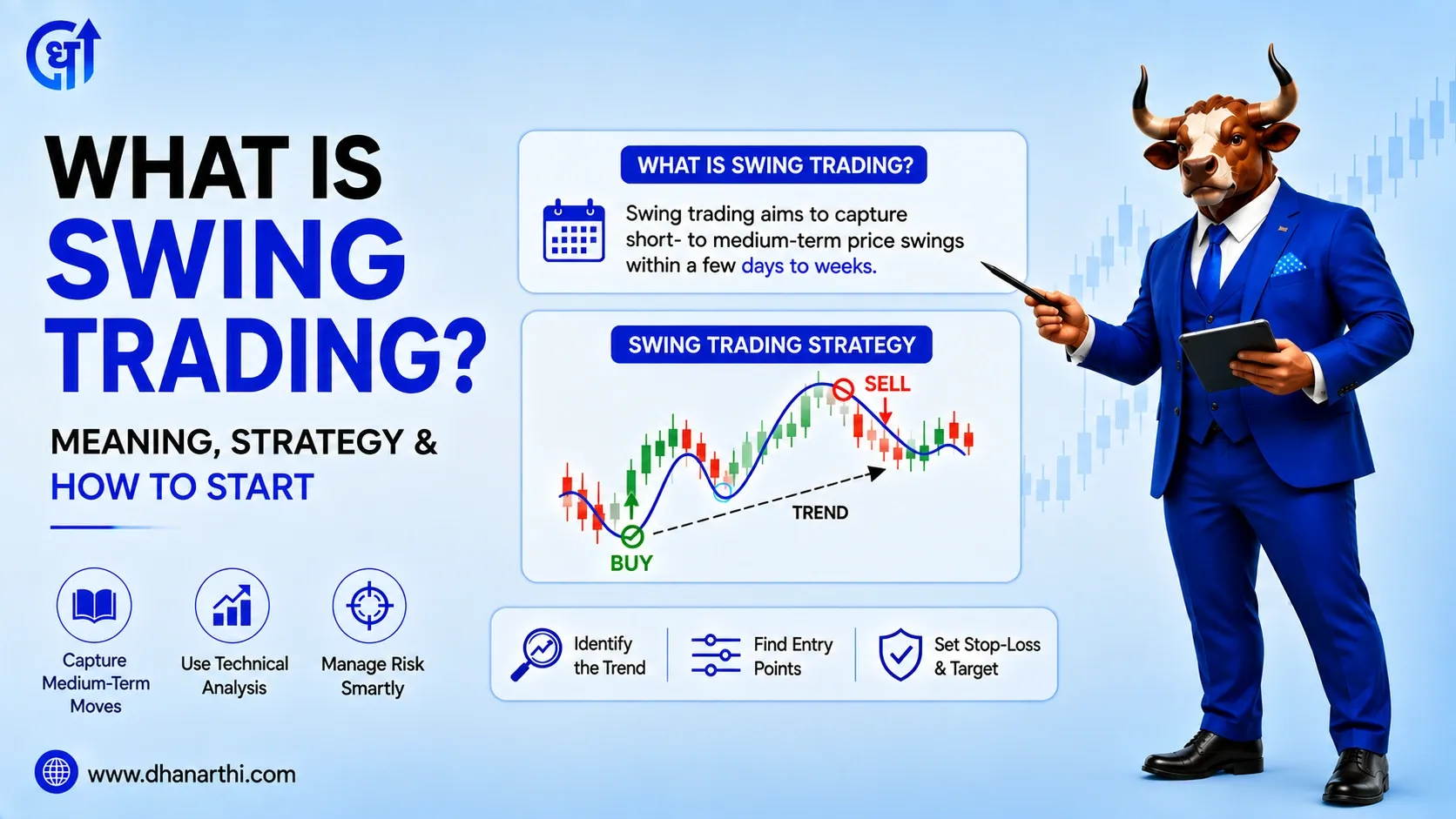
Scalping is technically a form of intraday trading, but it differs sharply from typical intraday or swing approaches in frequency and holding time.
| Factor | Scalping | Intraday Trading | Swing Trading |
|---|---|---|---|
| Holding period | Seconds to minutes | Minutes to hours, same day | 2 days to a few weeks |
| Trades per day | 20 to 100+ | A few to a dozen | A few per week |
| Screen time needed | Constant, full attention | High during market hours | Moderate, daily check-ins |
| Profit per trade | Very small, adds up in volume | Moderate | Larger, per trade |
| Best suited for | Full-time, highly experienced traders | Active part-time or full-time traders | Traders with limited daily time |
The line between scalping and regular intraday trading isn't always sharp, but the defining feature of scalping is the sheer number of trades placed in a single session compared to standard intraday activity.
This is the part of scalping most beginners underestimate. Because scalping involves a very high number of trades, transaction costs that seem small on a single trade compound quickly across a full day.
On Zerodha, one of India's largest discount brokers, intraday brokerage is Rs 20 or 0.03% per executed order, whichever is lower, and Securities Transaction Tax (STT) is charged at 0.025% on the sell side for intraday trades, with 18% GST applied on top of brokerage and other charges (Source: Zerodha charges page, 2026). For a scalper placing 50 trades in a day, these costs apply to every single trade, not just once.
Illustrative cost example: If a scalper places 50 round-trip trades in a day, at roughly Rs 20 brokerage per executed order (buy and sell counted separately), the brokerage alone can reach Rs 2,000 for the day, before STT, GST, and exchange charges are even added. A scalper needs each trade's average gross profit to comfortably clear this combined cost before any of it counts as real, spendable profit.
| Charge Type | Rate (Intraday) | Applies To |
|---|---|---|
| Brokerage | Rs 20 or 0.03% per order, whichever lower | Every executed order |
| STT | 0.025% | Sell side only |
| GST | 18% | On brokerage and other charges |
Data sourced from Zerodha charges page. Last updated: 2026.
Scalpers rely heavily on technical tools that update quickly and reflect short-term price action, since fundamental analysis has little relevance over a holding period of seconds or minutes.
Many serious scalpers eventually move toward semi-automated or fully automated execution, since manual order placement can be too slow to reliably capture the small price windows scalping depends on.
This is a question worth answering honestly rather than glossing over. SEBI's own study on individual intraday equity traders found that over 70% of individual traders in the equity cash segment incurred losses in FY23, with an average loss of Rs 5,371 per trader (Source: SEBI study, reported by Business Standard, July 2024). Scalping, being an especially intensive, high-frequency form of intraday trading, sits squarely within the category this data covers.
This does not mean scalping cannot be profitable. It means the odds, based on regulator-published data, are stacked against the average retail participant, and scalping's frequent trading and thin per-trade margins make it especially sensitive to transaction costs, execution slippage, and emotional decision-making under time pressure. Anyone considering scalping should treat this data as a real input into that decision, not a footnote to skip past.
Scalping is not a beginner-friendly strategy, despite sometimes being presented as an easy way to make quick money. It demands specific conditions most part-time or new traders don't have.
Scalping tends to suit traders who:
Scalping tends to be a poor fit for traders who:

Confused about chart patterns & stock analysis?
Use
Dhanarthi Stock Guru
to chat, analyze price patterns, and ask questions directly.
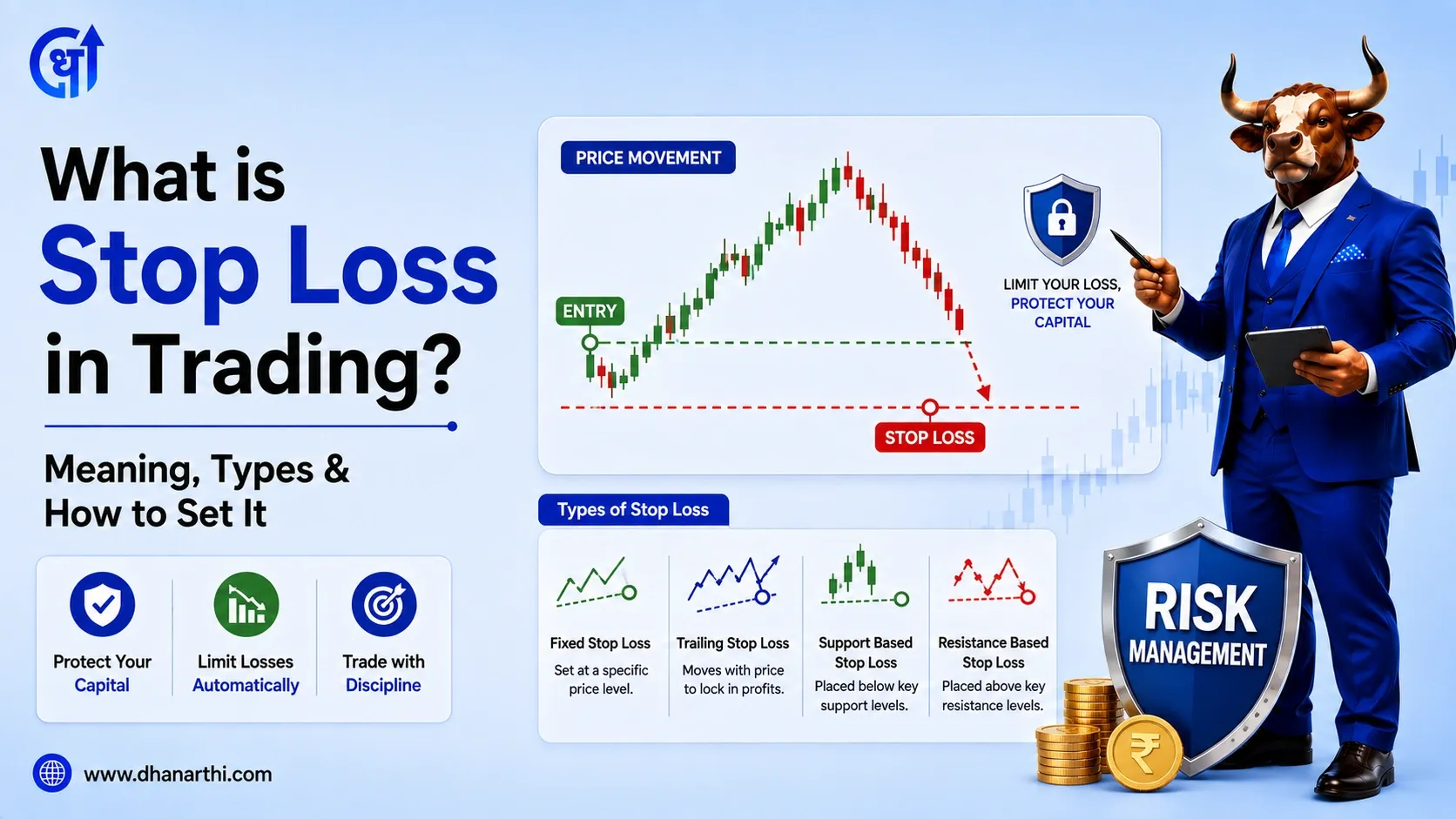
Because scalping trades happen so quickly and so often, a single undisciplined trade can undo the gains from several successful ones. Stop loss placement needs to be automatic and non-negotiable in scalping, since there is rarely time to make a considered decision mid-trade the way a swing trader might.
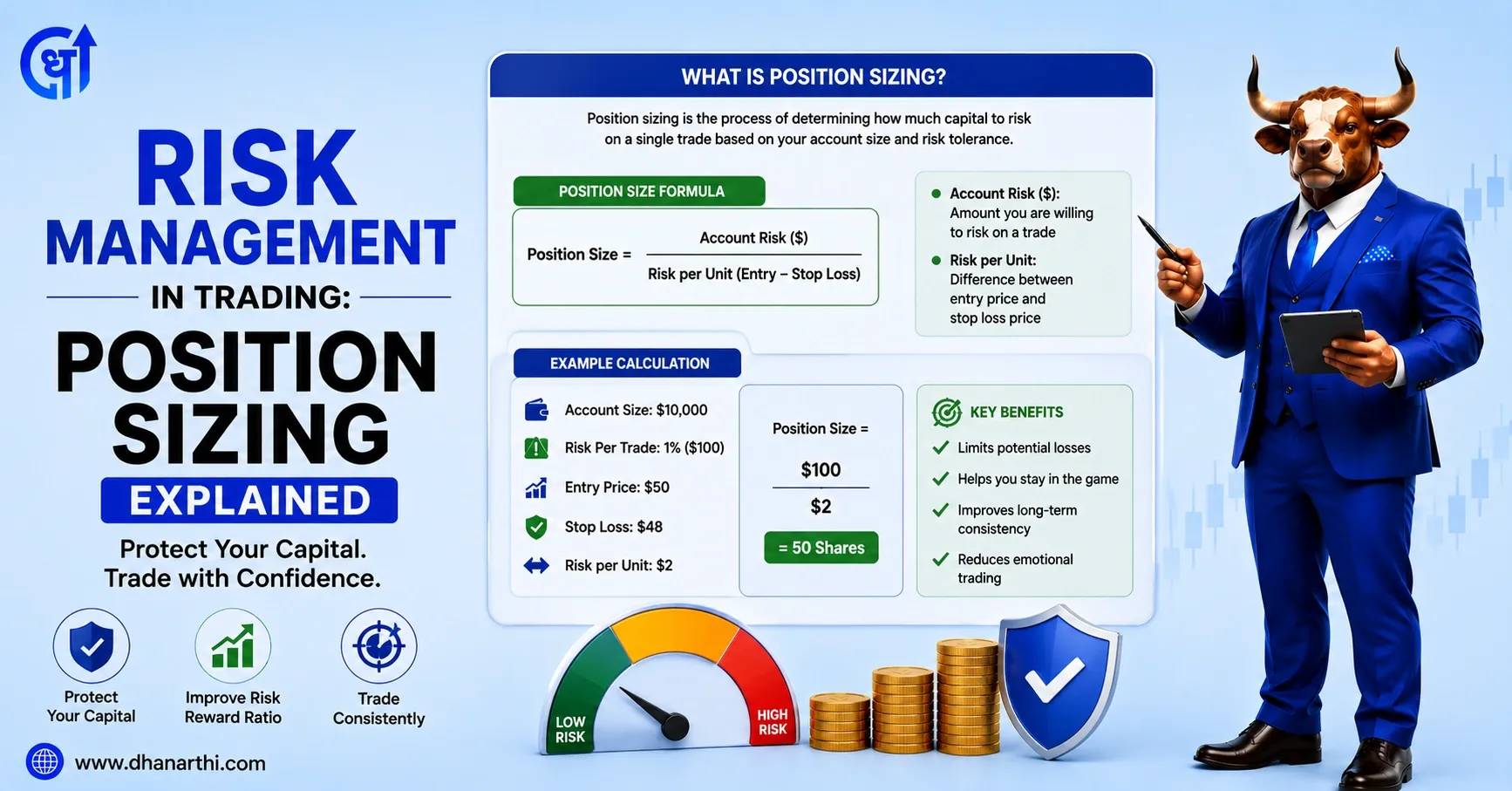
Position sizing also matters more than it might first appear, since scalpers often trade larger quantities to make small price moves worthwhile in rupee terms, which means a single mistake carries a disproportionately larger impact than the small target profit per trade would suggest. Applying proper position sizing discipline rather than trading a fixed large quantity regardless of the setup helps keep this risk in check.
Scalping rewards discipline, speed, and realistic cost awareness far more than it rewards raw enthusiasm. Traders who understand the real numbers behind transaction costs and regulator loss data tend to make a more informed decision about whether this style genuinely fits their situation.
Scalping trading strategy meaning, in practice, comes down to capturing many small profits through very high trade frequency rather than waiting for one large move. It demands fast execution, significant screen time, and a clear understanding of how transaction costs and regulator data on retail intraday performance shape the real odds involved. For traders without the time, experience, or infrastructure this style genuinely requires, other approaches like swing trading may offer a more realistic path to consistent results.
Disclaimer: This article is for educational purposes only. It does not constitute investment advice. Please consult a SEBI-registered financial advisor before making investment decisions.
1. What is scalping trading strategy?
Scalping trading strategy is a high-frequency trading style where a trader opens and closes positions within seconds to minutes, aiming to capture small, repeated profits from many trades rather than one large move.
2. What is scalping meaning in trading?
Scalping meaning in trading refers to a very short-term approach where traders profit from small price changes, often holding a position for just seconds or minutes before exiting.
3. Is scalping the same as intraday trading?
Scalping is a form of intraday trading, but it is far more frequent, with scalpers often placing 20 to 100 or more trades in a single day compared to a handful of trades in typical intraday trading.
4. Is scalping profitable for retail traders in India?
SEBI data shows over 70% of individual intraday traders in India's equity cash segment lost money in FY23, with an average loss of Rs 5,371 per trader, suggesting scalping is genuinely difficult for most retail participants to execute profitably.
5. How many trades does a scalper make in a day?
Scalpers commonly place anywhere from 20 to over 100 trades in a single trading day, depending on market volatility and the specific strategy being used.
6. What are the costs involved in scalping?
Scalping costs include brokerage per executed order, Securities Transaction Tax on the sell side, GST on brokerage, and exchange transaction charges, all of which apply to every single trade and compound quickly at high frequency.
7. What tools do scalpers use?
Scalpers commonly use short-period moving averages, Level 2 market depth data, 1-minute or tick charts, and volume indicators to identify fast, short-term trading opportunities.
8. Is scalping suitable for beginners?
Scalping is generally not considered suitable for beginners, since it demands significant screen time, fast decision-making, and prior experience reading short-term price action.
9. How much capital is needed for scalping?
Scalping often requires a larger capital base than other strategies, since position sizes tend to be bigger to make small price movements meaningful in rupee terms, though the exact amount depends on the trader's risk tolerance.
10. Do scalpers need a stop loss?
Yes, a stop loss is critical in scalping since trades move quickly and a single undisciplined loss can offset gains from several successful smaller trades made earlier in the session.
11. What is the difference between scalping and swing trading?
Scalping involves holding positions for seconds to minutes and requires constant attention, while swing trading holds positions for days to weeks and requires far less daily screen time.
12. Can scalping be automated?
Yes, many experienced scalpers move toward semi-automated or fully automated execution systems, since manual order placement can be too slow to reliably capture the very short price windows scalping depends on.
Share Market
IPO
Artificial Intelligence
Semi Conductor